Buy angelin.eu ?
We are moving the project
angelin.eu .
Are you interested in purchasing the domain
angelin.eu ?
domain@kv-gmbh.de · 0541-91531010
Buy angelin.eu ?
What is the difference between Subject-Verb-Object (SVO) and Subject-Subject-Verb (SSV) sentences?
The main difference between Subject-Verb-Object (SVO) and Subject-Subject-Verb (SSV) sentences lies in the order of the elements. In SVO sentences, the subject comes first, followed by the verb, and then the object. In SSV sentences, there are two subjects followed by the verb. This difference in structure can impact the emphasis and clarity of the sentence, as well as the overall flow of information. **
Is "leben" a subject or a verb?
"Leben" is a verb in German. It means "to live" in English. It is used to describe the action of being alive or residing in a particular place. **

Similar search terms for Subject-verb
Top-Angebote
Products related to Subject-verb:
-
Arcturus A Degree in a Book: Psychology by Alan Porter Everything You Need to Know to Master the Subject - in One Book!A perfect introduction for students and laypeople alike, A Degree in a Book: Psychology provides you with all the concepts you need to understand the fundamental issues. Filled with helpful diagrams, suggestions for further reading, and easily digestible features on the history of psychology, this book makes understanding the human mind easier than ever. Including the theories of Francis Galton, Sigmund Freud, Ivan Pavlov, and many more, it covers the whole range of psychological research. By the time you finish reading this book, you will be able to answer questions such as: How do we learn? Do groups make better decisions than individuals? How do we study the living brain? What are the components of personality?8,95 £*Shipping: 2,99 £Secure redirect to the provider
-
"""Angelo Negro""" """Angelo Negro Angelin Langhe Nebbiolo 2024 Red Wine - Italy""""""Intense ruby red color with orange highlights with ageing. Fresh bouquet with hints of rose, blackberry and blackcurrant. Soft flavor, rightly tannic, persistent and well balanced."""27,97 $*Shipping: 0,00 $Secure redirect to the provider
-
Darrington Press Daggerheart Class Pack: Seraph - Tabletop RPG Character GuideTake on the role of a Seraph in Daggerheart, channeling divine power through the domains of Splendor and Valor. This class pack is designed to help players bring a protective and inspirational character to the table, whether they fight from the ground or descend from above. The Seraph combines remarkable power with abilities focused on safeguarding and uplifting allies. Its themes of vows, divine force, and heroic choice provide a strong foundation for character development throughout your campaign. Key features: - Designed for the Daggerheart tabletop role-playing game - Explores the Seraph class and its divine abilities - Centered on the Splendor and Valor domains - Supports character creation and play at the table - A useful addition for Daggerheart players and Game Masters Use this class pack alongside the wider Daggerheart game to shape your character’s story from their first vow through to their most challenging encounters.19,95 £*Shipping: 3,95 £Secure redirect to the provider
-
Hi-Line Gift Citrus Seraph: Vibrant Orange Polyresin Angel Cat FigurineImmerse your outdoor space in the ethereal charm of Citrus Seraph - a vibrant orange polyresin angel cat figurine. Crafted with meticulous detail, this figurine brings a touch of heavenly elegance to gardens, patios, or any outdoor haven.31,67 $*Shipping: 0,00 $Secure redirect to the provider


-
What questions are there about subject-verb agreement?
Some common questions about subject-verb agreement include: 1. How do I know which form of the verb to use with a singular or plural subject? 2. What about collective nouns or indefinite pronouns - do they take a singular or plural verb? 3. How do I handle compound subjects, where there are multiple nouns or pronouns joined by "and" or "or"? 4. Are there any exceptions or irregularities to the standard rules of subject-verb agreement? 5. What are some common mistakes to watch out for when it comes to subject-verb agreement? **
-
What is the order of subject, verb, and object in Latin?
In Latin, the typical word order is Subject-Object-Verb (SOV). This means that the subject of the sentence comes first, followed by the object, and then the verb. For example, "puella rosam amat" translates to "the girl loves the rose," where "puella" is the subject, "rosam" is the object, and "amat" is the verb. However, Latin is a highly inflected language, so word order can be flexible and the meaning of the sentence is often determined by the case and ending of the words rather than their position in the sentence. **
-
What is an auxiliary verb and a main verb?
An auxiliary verb, also known as a helping verb, is a verb that is used with a main verb to form a verb phrase. It helps to express the tense, mood, or voice of the main verb. Common auxiliary verbs include "be," "have," and "do." A main verb, also known as a lexical verb, is the primary verb in a sentence that carries the main meaning or action. It is the verb that is not preceded by an auxiliary verb in a verb phrase. Main verbs can express actions, states of being, or occurrences. **
-
Before the verb.
'Before the verb' refers to the placement of adverbs in a sentence. Adverbs are words that modify verbs, adjectives, or other adverbs. When an adverb is placed before the verb in a sentence, it typically provides information about how the action is being performed. For example, in the sentence "She quickly ran to the store," the adverb "quickly" is placed before the verb "ran" to describe how she performed the action of running. **


What is the personal form of the verb auxiliary verb?
The personal form of the auxiliary verb is the form that changes based on the subject of the sentence. For example, in the present tense, the personal forms of the auxiliary verb "to be" are "am" for the first person singular (I), "are" for the second person singular and plural (you), and "is" for the third person singular (he/she/it). These forms change to match the subject of the sentence and indicate who is performing the action. **
Is driving a verb?
Yes, driving is a verb. It is an action word that describes the act of operating a vehicle to travel from one place to another. In a sentence, it is used to show the action of controlling and moving a vehicle on the road. **
Top-Angebote
Products related to Subject-verb:
-
Graco Verb Travel System, MerrickThe Graco Verb Travel System gives you a stylish and smooth ride for your child. It includes a SnugRide Lite Infant Car Seat (for baby from 4-30 lb), which connects to the stroller with a secure, one-second attachment.239,99 $*Shipping: 0,00 $Secure redirect to the provider
-
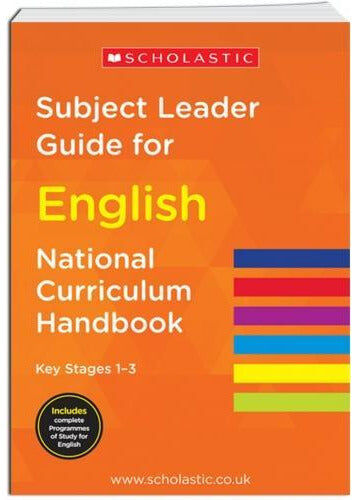
Scholastic National Curriculum Handbook Subject Leader Guide For English Key Stage 1-3National Curriculum Handbook Subject Leader Guide for English Key Stage 1-3 Description: Get ready for the biggest curriculum change in more than a decade! To help coordinators to deliver the new curriculum; Scholastic has published the first complete printed programme of study for key stages 1-3 in English. Each guide also provides a wealth of subject leader support including: an overview of the main changes to the curriculum; an overview of the subject leader's role at times of curriculum change; priority areas at each key stage; how to add creativity to the new curriculum; helpful subject leader's check-list. Scholastic; publisher of the best-selling 100 Lessons series; has partnered with Babcock Learning and Development Partnership (Devon Local Authority); one of the UK's leading school improvement services; to develop these essential subject guides.9,99 £*Shipping: 2,99 £Secure redirect to the provider
-
Arcturus A Degree in a Book: Psychology by Alan Porter Everything You Need to Know to Master the Subject - in One Book!A perfect introduction for students and laypeople alike, A Degree in a Book: Psychology provides you with all the concepts you need to understand the fundamental issues. Filled with helpful diagrams, suggestions for further reading, and easily digestible features on the history of psychology, this book makes understanding the human mind easier than ever. Including the theories of Francis Galton, Sigmund Freud, Ivan Pavlov, and many more, it covers the whole range of psychological research. By the time you finish reading this book, you will be able to answer questions such as: How do we learn? Do groups make better decisions than individuals? How do we study the living brain? What are the components of personality?8,95 £*Shipping: 2,99 £Secure redirect to the provider
-
"""Angelo Negro""" """Angelo Negro Angelin Langhe Nebbiolo 2024 Red Wine - Italy""""""Intense ruby red color with orange highlights with ageing. Fresh bouquet with hints of rose, blackberry and blackcurrant. Soft flavor, rightly tannic, persistent and well balanced."""27,97 $*Shipping: 0,00 $Secure redirect to the provider
-
What is the difference between Subject-Verb-Object (SVO) and Subject-Subject-Verb (SSV) sentences?
The main difference between Subject-Verb-Object (SVO) and Subject-Subject-Verb (SSV) sentences lies in the order of the elements. In SVO sentences, the subject comes first, followed by the verb, and then the object. In SSV sentences, there are two subjects followed by the verb. This difference in structure can impact the emphasis and clarity of the sentence, as well as the overall flow of information. **
-
Is "leben" a subject or a verb?
"Leben" is a verb in German. It means "to live" in English. It is used to describe the action of being alive or residing in a particular place. **
-
What questions are there about subject-verb agreement?
Some common questions about subject-verb agreement include: 1. How do I know which form of the verb to use with a singular or plural subject? 2. What about collective nouns or indefinite pronouns - do they take a singular or plural verb? 3. How do I handle compound subjects, where there are multiple nouns or pronouns joined by "and" or "or"? 4. Are there any exceptions or irregularities to the standard rules of subject-verb agreement? 5. What are some common mistakes to watch out for when it comes to subject-verb agreement? **
-
What is the order of subject, verb, and object in Latin?
In Latin, the typical word order is Subject-Object-Verb (SOV). This means that the subject of the sentence comes first, followed by the object, and then the verb. For example, "puella rosam amat" translates to "the girl loves the rose," where "puella" is the subject, "rosam" is the object, and "amat" is the verb. However, Latin is a highly inflected language, so word order can be flexible and the meaning of the sentence is often determined by the case and ending of the words rather than their position in the sentence. **
Similar search terms for Subject-verb
-
Darrington Press Daggerheart Class Pack: Seraph - Tabletop RPG Character GuideTake on the role of a Seraph in Daggerheart, channeling divine power through the domains of Splendor and Valor. This class pack is designed to help players bring a protective and inspirational character to the table, whether they fight from the ground or descend from above. The Seraph combines remarkable power with abilities focused on safeguarding and uplifting allies. Its themes of vows, divine force, and heroic choice provide a strong foundation for character development throughout your campaign. Key features: - Designed for the Daggerheart tabletop role-playing game - Explores the Seraph class and its divine abilities - Centered on the Splendor and Valor domains - Supports character creation and play at the table - A useful addition for Daggerheart players and Game Masters Use this class pack alongside the wider Daggerheart game to shape your character’s story from their first vow through to their most challenging encounters.19,95 £*Shipping: 3,95 £Secure redirect to the provider
-
Hi-Line Gift Citrus Seraph: Vibrant Orange Polyresin Angel Cat FigurineImmerse your outdoor space in the ethereal charm of Citrus Seraph - a vibrant orange polyresin angel cat figurine. Crafted with meticulous detail, this figurine brings a touch of heavenly elegance to gardens, patios, or any outdoor haven.31,67 $*Shipping: 0,00 $Secure redirect to the provider
-
Obsessive Set Heavenly - Lacy Bra Set (White)Floral lace, airy comfort, and seductive details - this lace bra set brings heat to the bedroom in every season!Why is the Obsessive Set Heavenly - lace bra set good?This set is not only beautiful and comfortable, but it also boosts your confidence to the skies. The soft, stretchy material perfectly fits the body while the floral lace creates a romantic and sensual atmosphere. It's a perfect choice for a hot summer night or a winter evening when you're craving a summer vibe.Why customers love the Obsessive Set Heavenly - lace bra setComfortable and flexible material - perfect to wear all day or just for the eveningAdjustable straps at the back and shoulders - for a customized fitElegant metal pendant on the bra - subtle yet attention-catching detailFloral lace and fine mesh - romantic and sensual appearanceThong cut - accentuates the bottomEasily combinable with other accessories - like lace gloves or stockingsPackage contents1 soft lace bra1 lace thongProduct featuresColor: whiteMaterial composition: 90% polyamide, 10% elastaneWhat to consider when using the Obsessive Set Heavenly - lace bra set:Hand wash only in lukewarm water to maintain the beauty of the delicate lace for a long time. Do not bleach, tumble dry, or iron. For longer life, wash separately from other clothing.User manual31,39 £*Shipping: 6,10 £Secure redirect to the provider
-
Peking Handicraft Inc Heavenly Angel Needlepoint Stocking , RedThe Heavenly Angel Needlepoint Christmas Stockings bless your space with a beautiful grace. Each handmade stocking features a lovely wool needlepoint scene of an angel against the starry sky, all on cotton canvas. Angel in Purple plays a mandolin....69,99 $*Shipping: 15,95 $Secure redirect to the provider
-
What is an auxiliary verb and a main verb?
An auxiliary verb, also known as a helping verb, is a verb that is used with a main verb to form a verb phrase. It helps to express the tense, mood, or voice of the main verb. Common auxiliary verbs include "be," "have," and "do." A main verb, also known as a lexical verb, is the primary verb in a sentence that carries the main meaning or action. It is the verb that is not preceded by an auxiliary verb in a verb phrase. Main verbs can express actions, states of being, or occurrences. **
-
Before the verb.
'Before the verb' refers to the placement of adverbs in a sentence. Adverbs are words that modify verbs, adjectives, or other adverbs. When an adverb is placed before the verb in a sentence, it typically provides information about how the action is being performed. For example, in the sentence "She quickly ran to the store," the adverb "quickly" is placed before the verb "ran" to describe how she performed the action of running. **
-
What is the personal form of the verb auxiliary verb?
The personal form of the auxiliary verb is the form that changes based on the subject of the sentence. For example, in the present tense, the personal forms of the auxiliary verb "to be" are "am" for the first person singular (I), "are" for the second person singular and plural (you), and "is" for the third person singular (he/she/it). These forms change to match the subject of the sentence and indicate who is performing the action. **
-
Is driving a verb?
Yes, driving is a verb. It is an action word that describes the act of operating a vehicle to travel from one place to another. In a sentence, it is used to show the action of controlling and moving a vehicle on the road. **
* All prices are inclusive of VAT and, if applicable, plus shipping costs. The offer information is based on the details provided by the respective shop and is updated through automated processes. Real-time updates do not occur, so deviations can occur in individual cases. ** Note: Parts of this content were created by AI.